







.png)



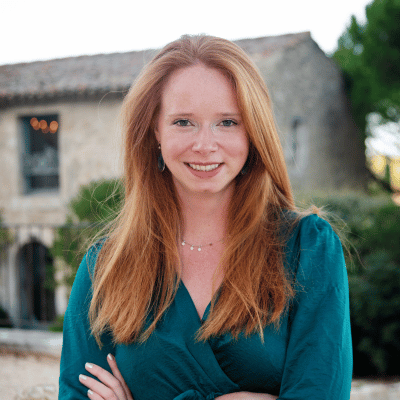
Featuring Liliana Estrada & Marcela Londoño, Eficacia | Hosted by Trusted Family
📹 You can watch the full webinar HERE (Original in Spanish with interpretation in English)
At Trusted Family, we believe that successful family business succession is never just a legal or financial transaction; it's a deeply human process. This webinar brought that truth to life in a powerful way.
Claudia sat down with Liliana Estrada, founder of Eficacia, and her daughter Marcela Londoño, who has served as CEO for the past 10 years, to discuss one of the most candid and instructive succession stories we've ever shared on this platform.
Here are the key takeaways.
1. Prepare early and don't let death make the decision for you
Claudia opened the session with a sobering example: a family business where the founder passed away without a succession plan, leaving four siblings to navigate five companies simultaneously with no roadmap. Eficacia did it differently. Liliana began the process years in advance, including a formal family protocol that identified which family members wanted to work in the business. The lesson is clear: succession planning is not a conversation to postpone.
2. The successor must earn their seat independently
One of Liliana's most important decisions was refusing to let Marcela do her professional internship at Eficacia. Instead, Marcela spent 8 years at Baxter Laboratories, where she grew into a leader on her own terms. When she finally joined Eficacia, she arrived as a seasoned professional, not as the founder's daughter. This gave her the credibility to earn genuine respect from the team.
3. A clean physical break from the founder matters more than you think
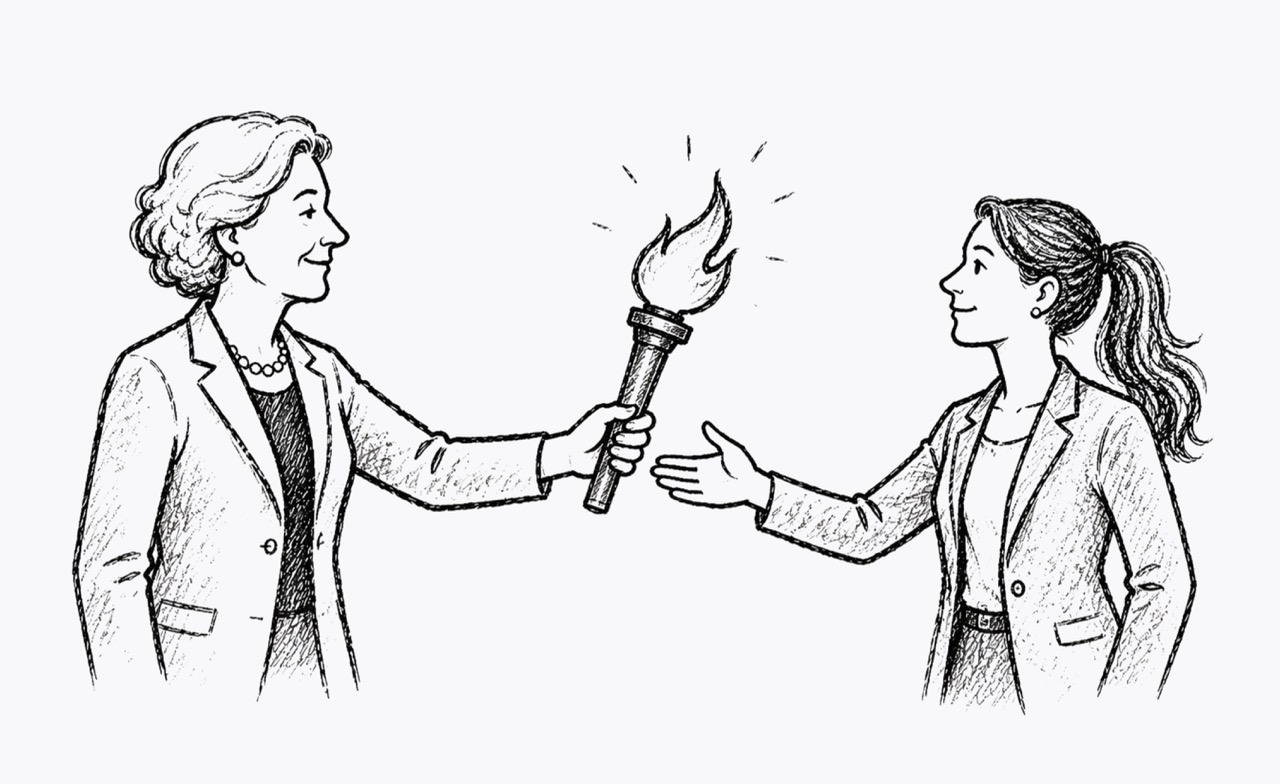
The day Marcela took over as CEO, Liliana vacated her office entirely, furniture and all, rented a separate workspace, and never returned to Eficacia's offices. This physical separation sent a powerful signal to the organization: there is one leader now. Founders who linger, even with good intentions, risk undermining the successor's authority before it has a chance to take root.
4. The board of directors needs to evolve with the succession
One of the most practical insights from this conversation was about governance. Early on, the board became a venue for operational follow-up rather than strategic dialogue, partly because Liliana, cut off from day-to-day conversations, used board meetings to stay informed. The turning point came when they brought in a strong, independent board chair who became Marcela's true governance partner. For family businesses, an external, empowered board president is not a luxury; it is a safeguard.
5. Conflict between family members is normal and necessary
Liliana and Marcela went through a genuinely painful period. Board meetings became tense. Marcela felt exposed and unsupported. They stopped speaking personally for months. And yet, looking back, both agree the conflict was inevitable and ultimately constructive. It forced honest conversations that led to lasting structural changes and a stronger relationship. As Claudia put it, without conflict, it is very hard to reach real agreements.
6. The moment of reconnection often comes from outside the business
The breakthrough for Liliana and Marcela came not from a board meeting or a consultant's intervention, but from a funeral. Sitting beside each other at the memorial of a friend's mother, Marcela realized she still had her mother and that the cost of their estrangement was too high. Sometimes the most important governance happens outside the boardroom.
7. The successor must build their own identity and avoid replicating the founder's
Marcela's single most important insight after 10 years: she is not her mother, and she never needed to be. Trying to manage as Liliana would have managed created unnecessary pressure and self-doubt. Once she embraced her own leadership style (collaborative, people-centered, and process-driven), her confidence and effectiveness grew. Founders and successors alike should internalize this: the goal is continuity of values, not continuity of personality.
8. Founders need a new purpose, not just an exit
Liliana didn't simply leave; she reinvented herself. She dove into the world of startups, blockchain, and technology ecosystems, bringing fresh strategic thinking back to the board. Her role shifted from operational overseer to innovation scout. This gave her fulfillment and gave the board genuine added value. A founder without a compelling next chapter is a founder more likely to drift back into the business.
A final thought from Trusted Family
At Trusted Family, our platform exists precisely for moments like these: to give families a shared, structured space to document decisions, align on governance, and build the kind of transparency that prevents conflict before it starts. As Claudia illustrated at the opening of this webinar, families who use the platform for succession can give every family member, whether working in the business or not, visibility into board minutes, votes, and key decisions in one secure place.
Liliana and Marcela's story is proof that succession can strengthen a family and a company at the same time. It takes preparation, courage, clear governance, and the willingness to have hard conversations. We are honored to support families on that journey.
Want to learn how Trusted Family can support your family's succession process? Visit us at trustedfamily.com
![La charte familiale qui rassemble les générations [Résumé de webinaire]](https://cdn.prod.website-files.com/67490a3a2bcd45d4330ca4bf/6a439adea7e2eb3226ad72b4_TF-ELB%20Conseil-la%20charte%20familiale.png)
![Wealth Mindset: Insights from Global Next-Gen Leaders on Impact, Legacy and Responsibility [Webinar Recap]](https://cdn.prod.website-files.com/67490a3a2bcd45d4330ca4bf/6a32a8fffdc47887b38ba319_BANNER-WEBINARTHUMBNAIL%20(2).png)
.png)